

- Mascot named Amal after real turtle rescued and returned to the wild by RSG in 2021
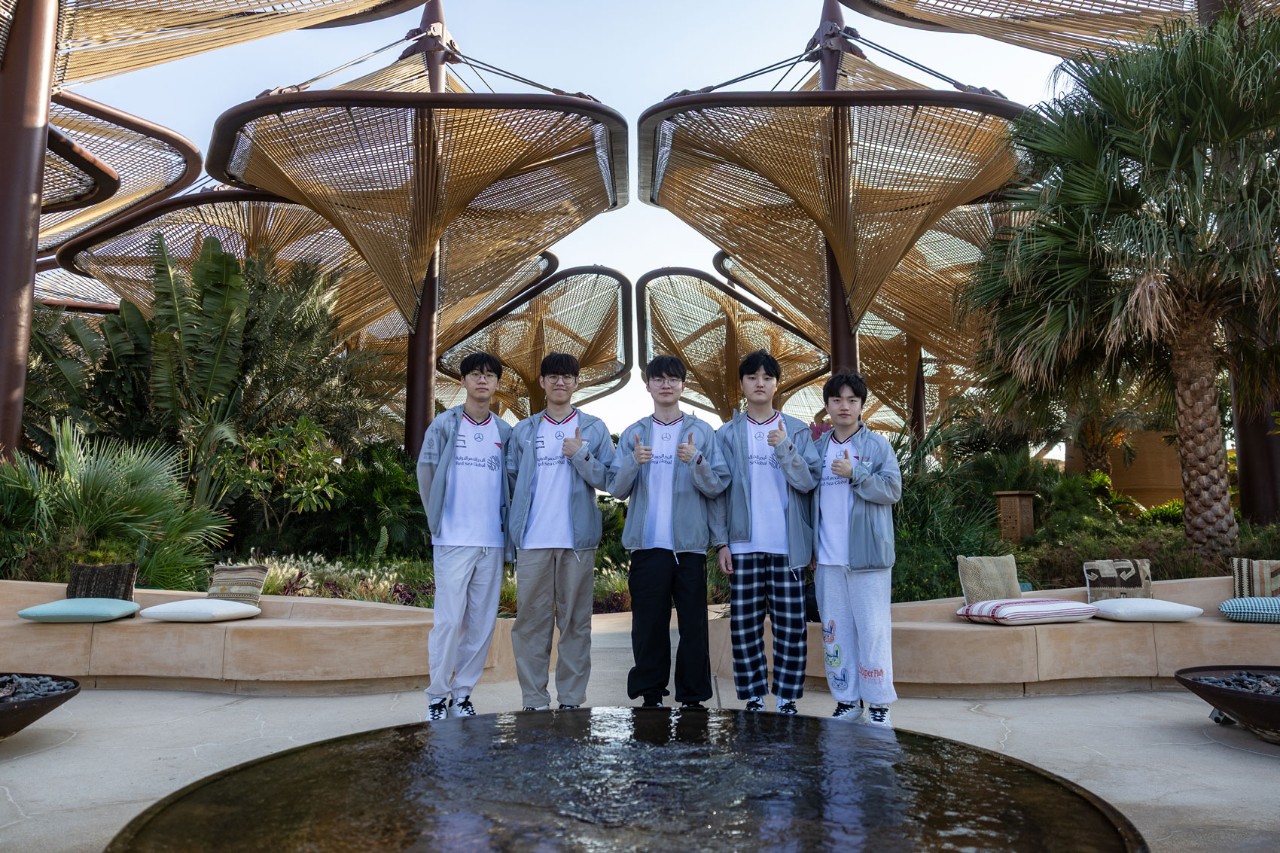
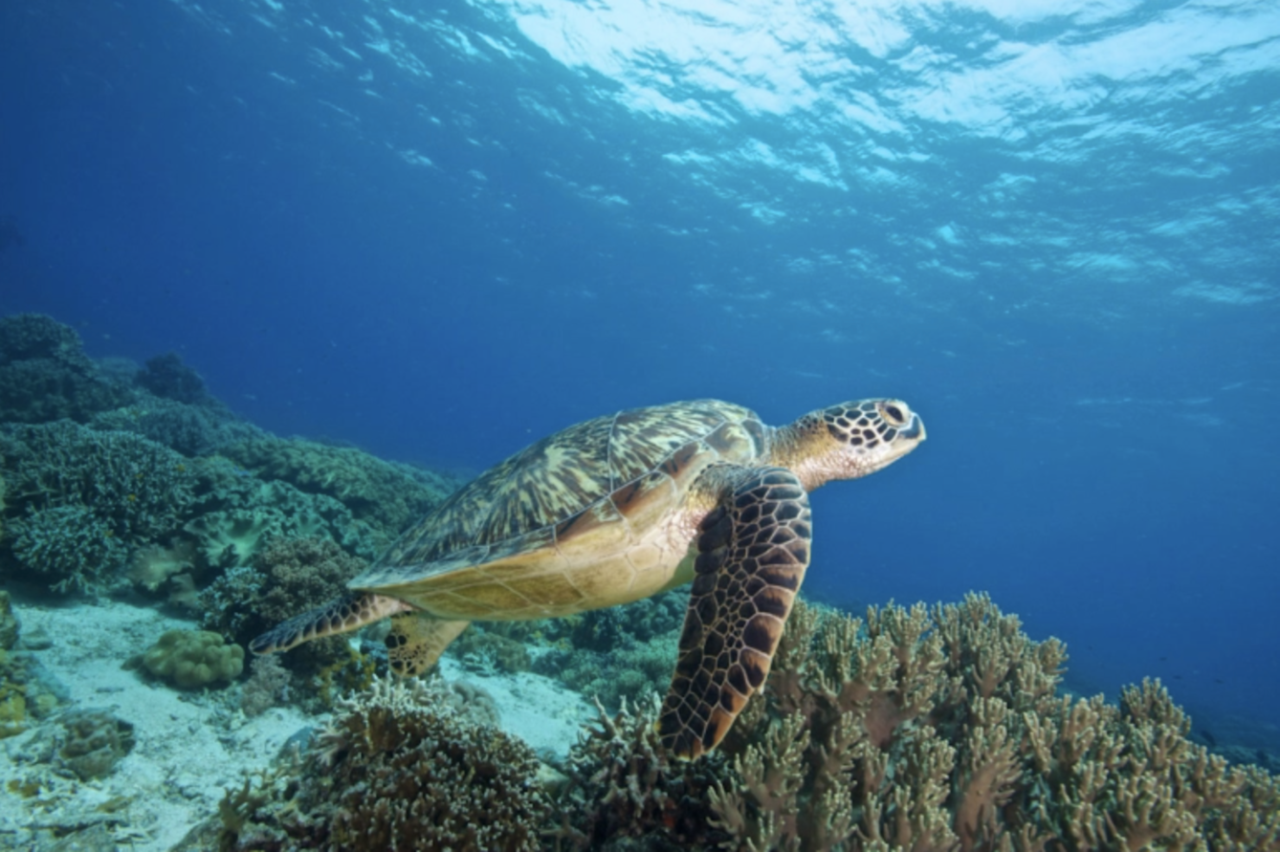
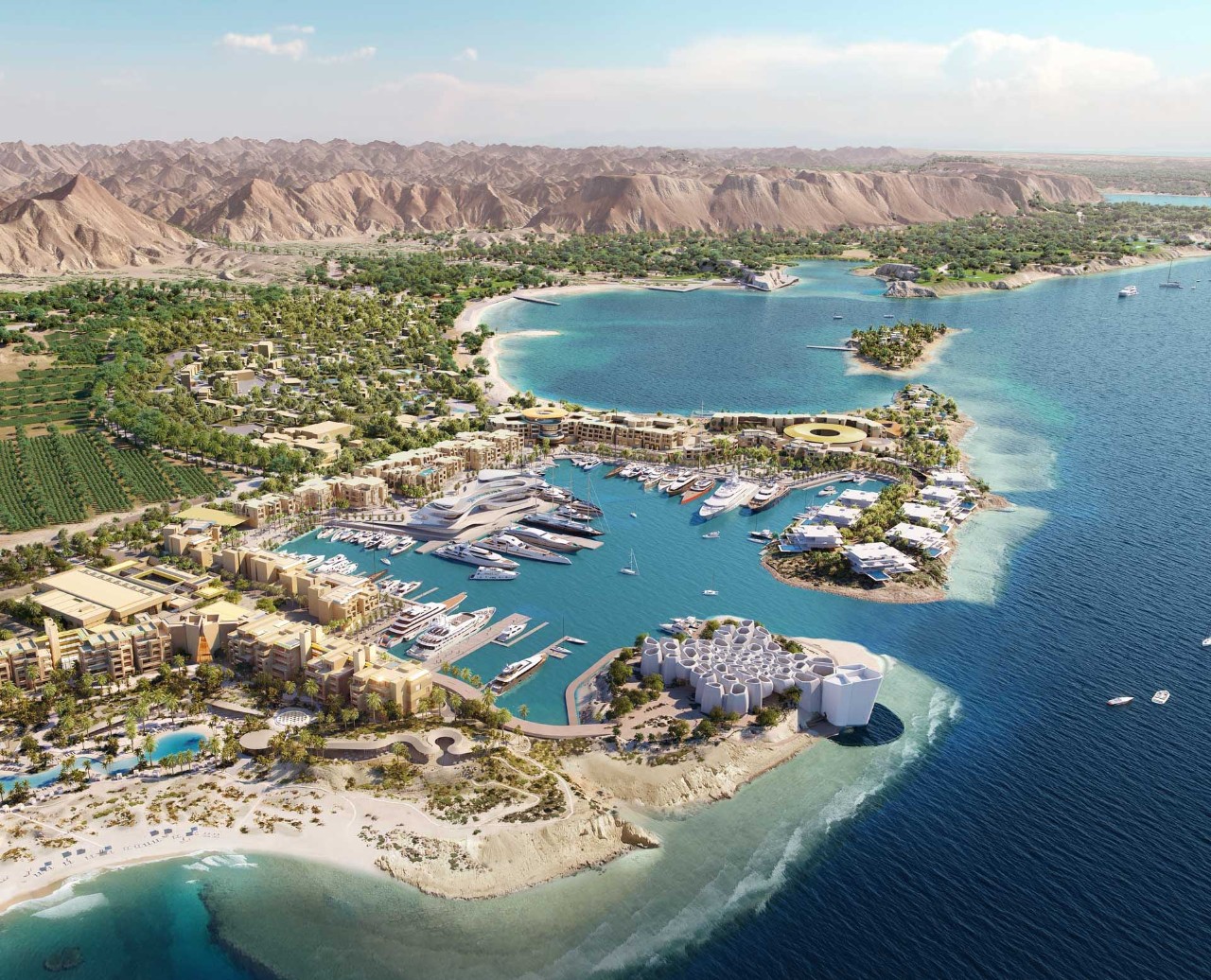
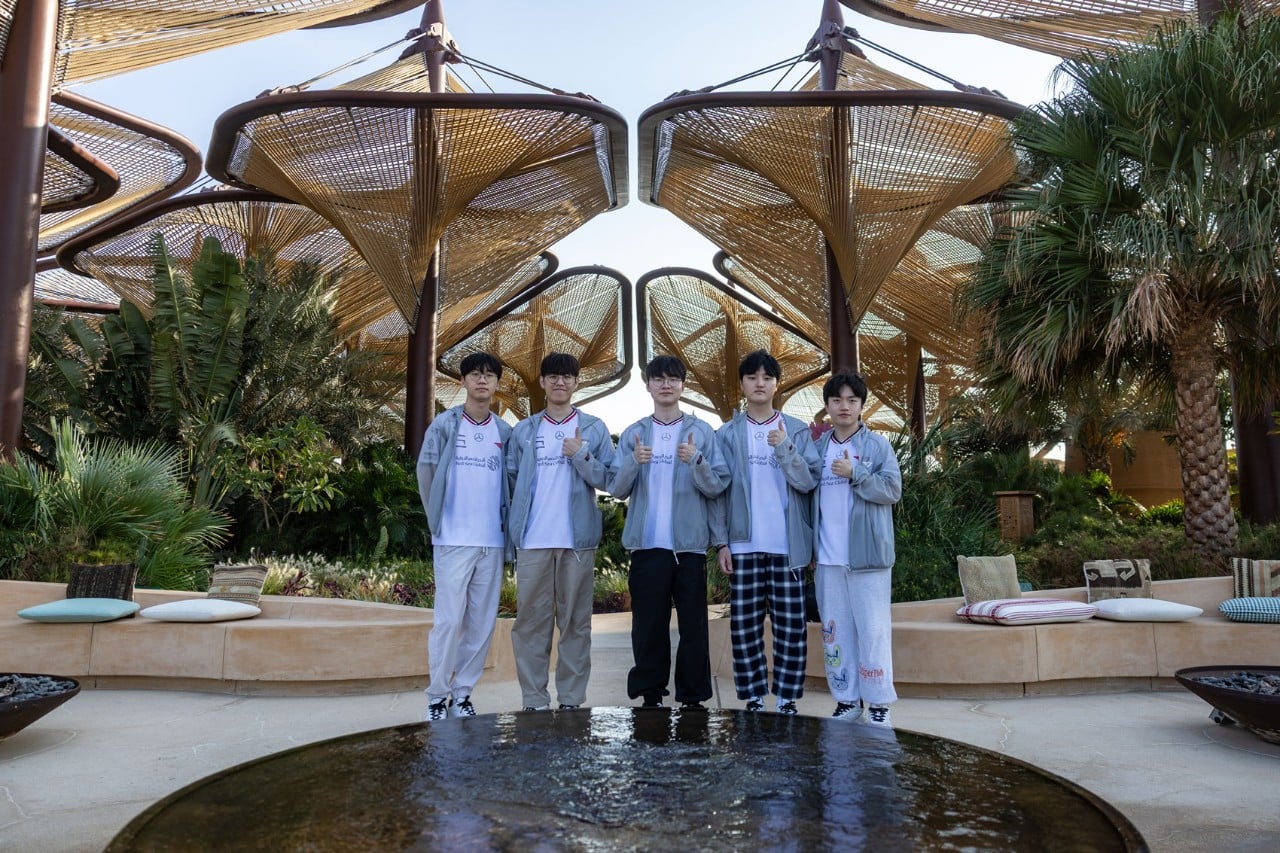
Riyadh, 29 April 2026: Red Sea Global (RSG), the developer behind regenerative tourism destinations The Red Sea and AMAALA, has launched a new mascot and co-branded merchandise collection with global esports organization T1. Centered around Amal, a hawksbill sea turtle symbolizing hope and ocean health, the initiative is designed to engage global audiences with RSG’s regenerative tourism mission and inspire collective action to protect marine ecosystems.
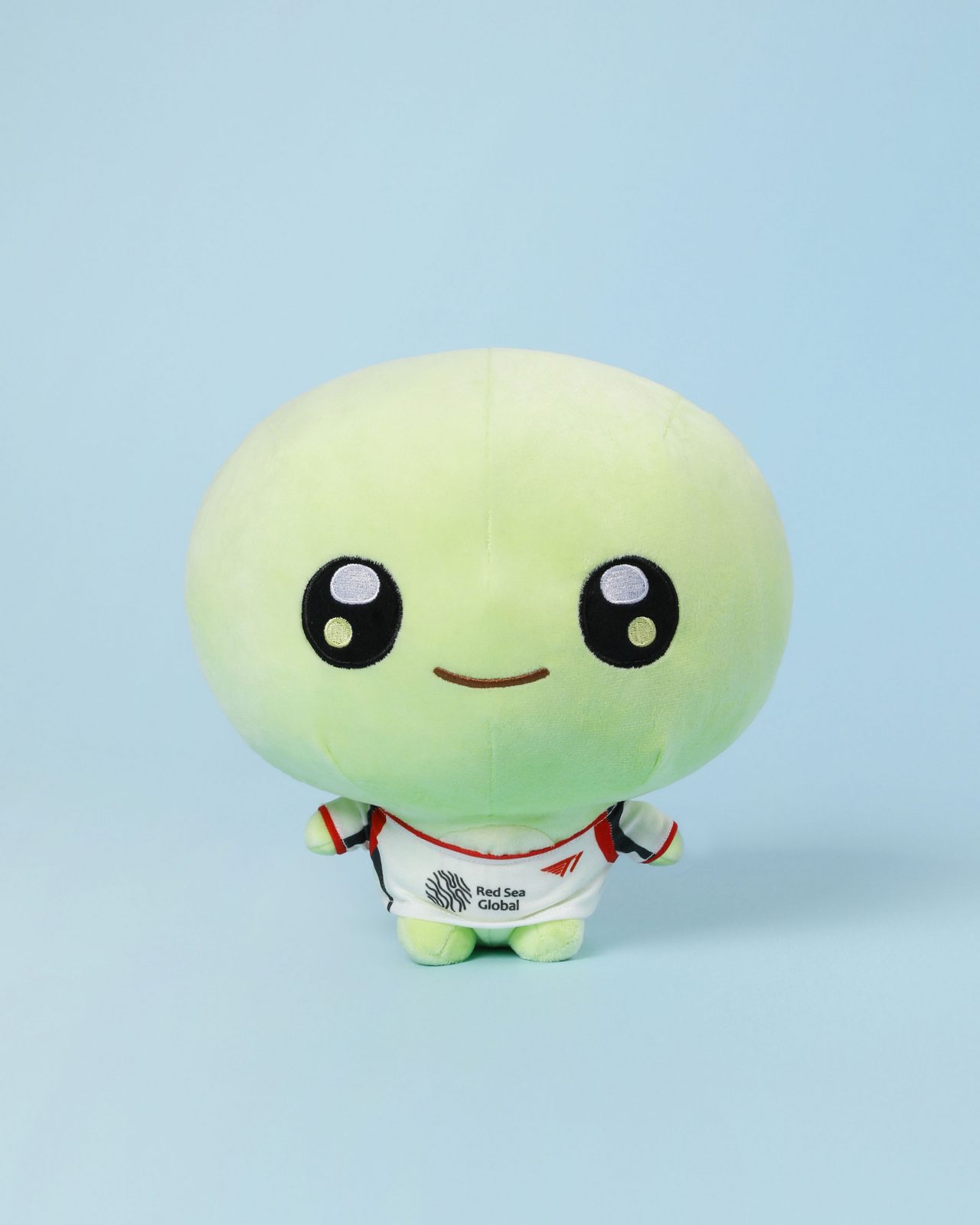
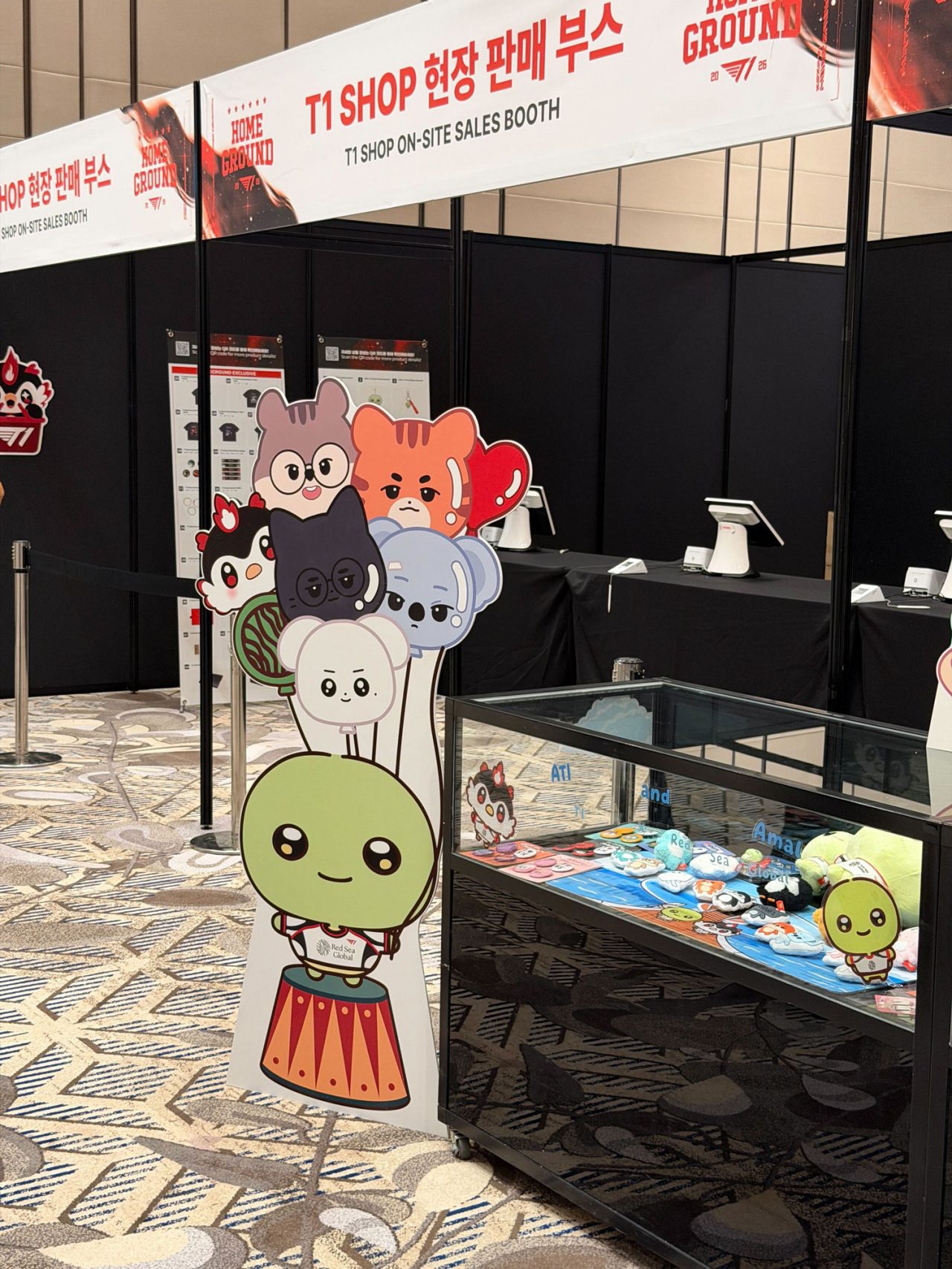
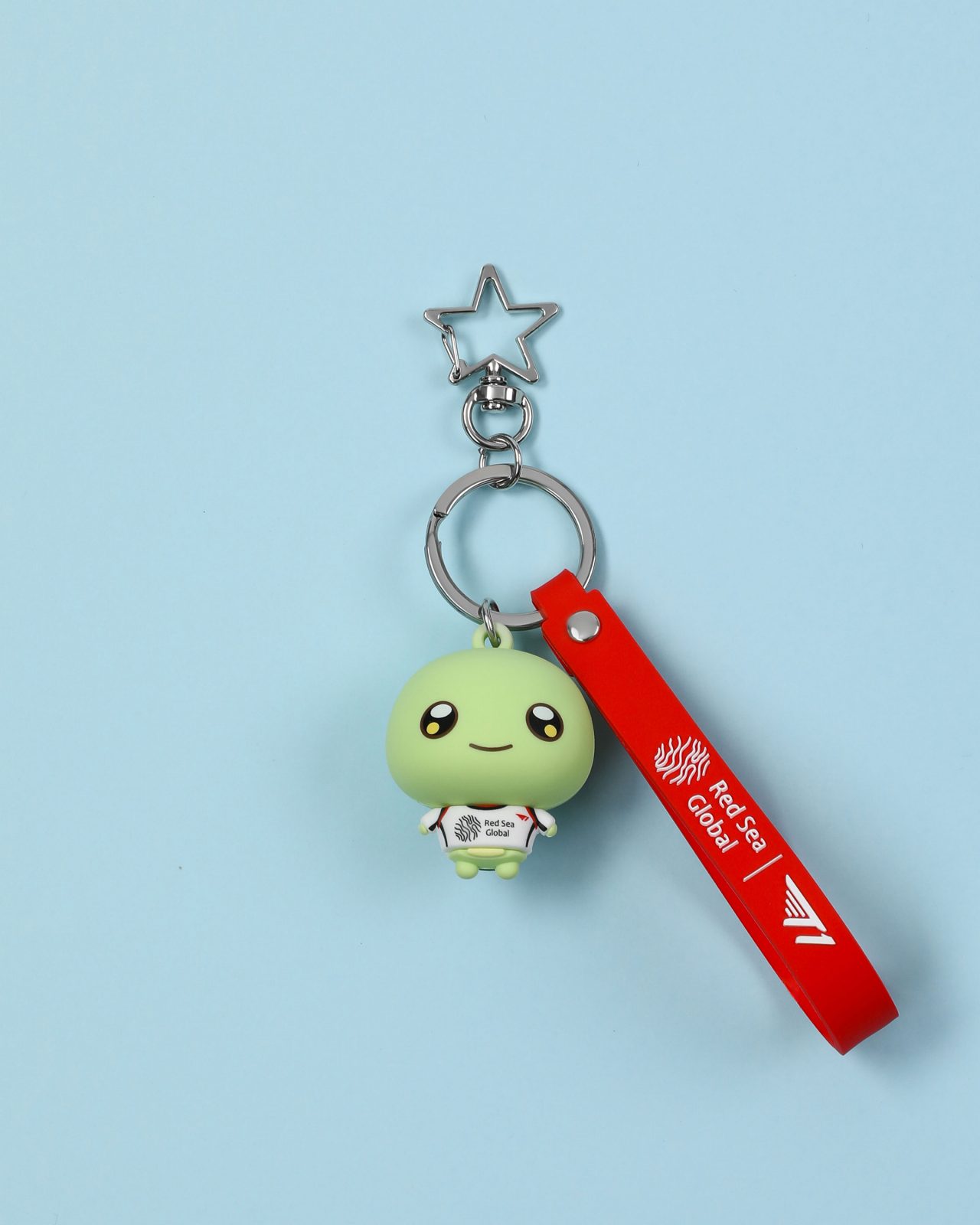
The co-branded merchandise line, featuring a selection of collectibles such as keychains and plush dolls, debuted at T1’s flagship Home Ground fan festival (24-26 April). Each item incorporates storytelling elements that bring Amal’s journey to life, connecting fans with the environmental values at the heart of RSG’s destinations.
“Amal helps bring our regenerative tourism mission to life in a way that resonates far beyond our destinations, Through our partnership with T1, we’re connecting with new audiences in a space they are passionate about, turning engagement into action and inspiring a new generation of advocates for ocean health.”
Time and again, our fans have demonstrated that their support extends far beyond the game—through meaningful actions such as environmental clean-ups, blood donations, and other acts of social good. Inspired by their example, T1 is committed to advancing a more structured and impactful ESG agenda, with sustainability and environmental stewardship at its core. Through the introduction of Amal, we aim to elevate awareness and drive tangible change, in partnership with Red Sea Global and alongside our mascots. Together, we believe we can foster a culture of responsibility and create lasting, positive impact for our communities and the environment,” said T1’s COO Josh Ahn.
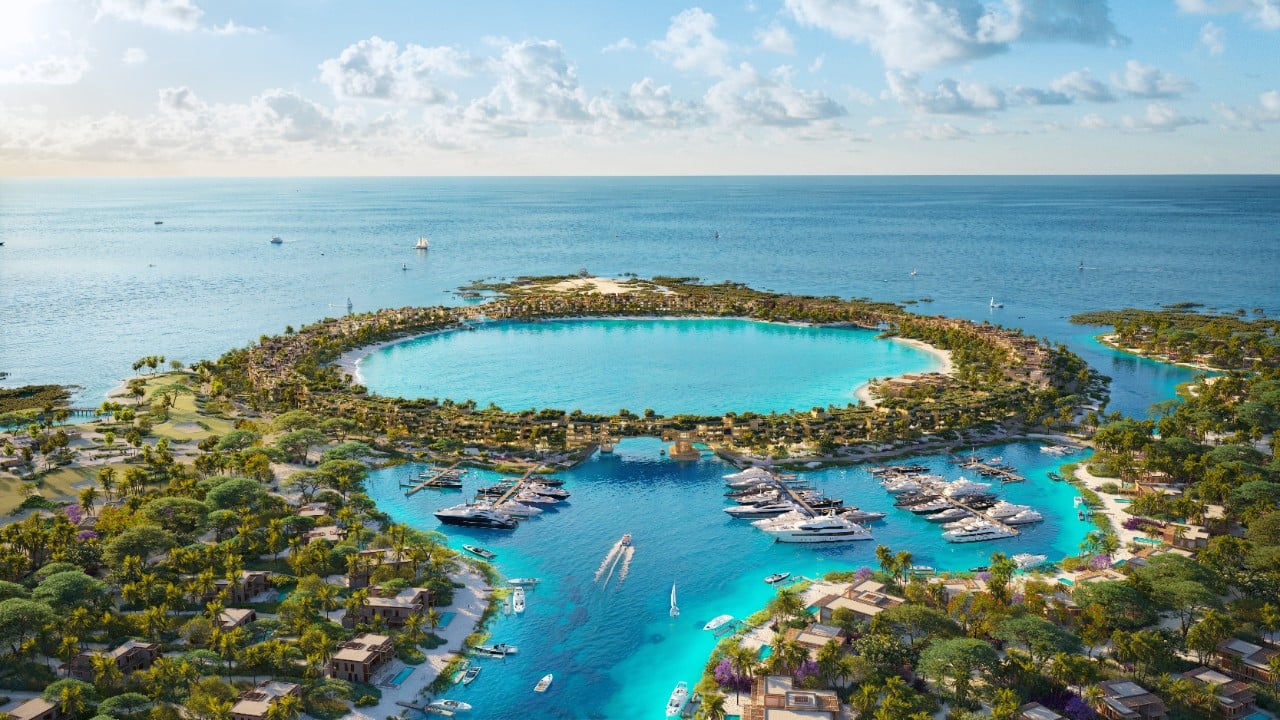
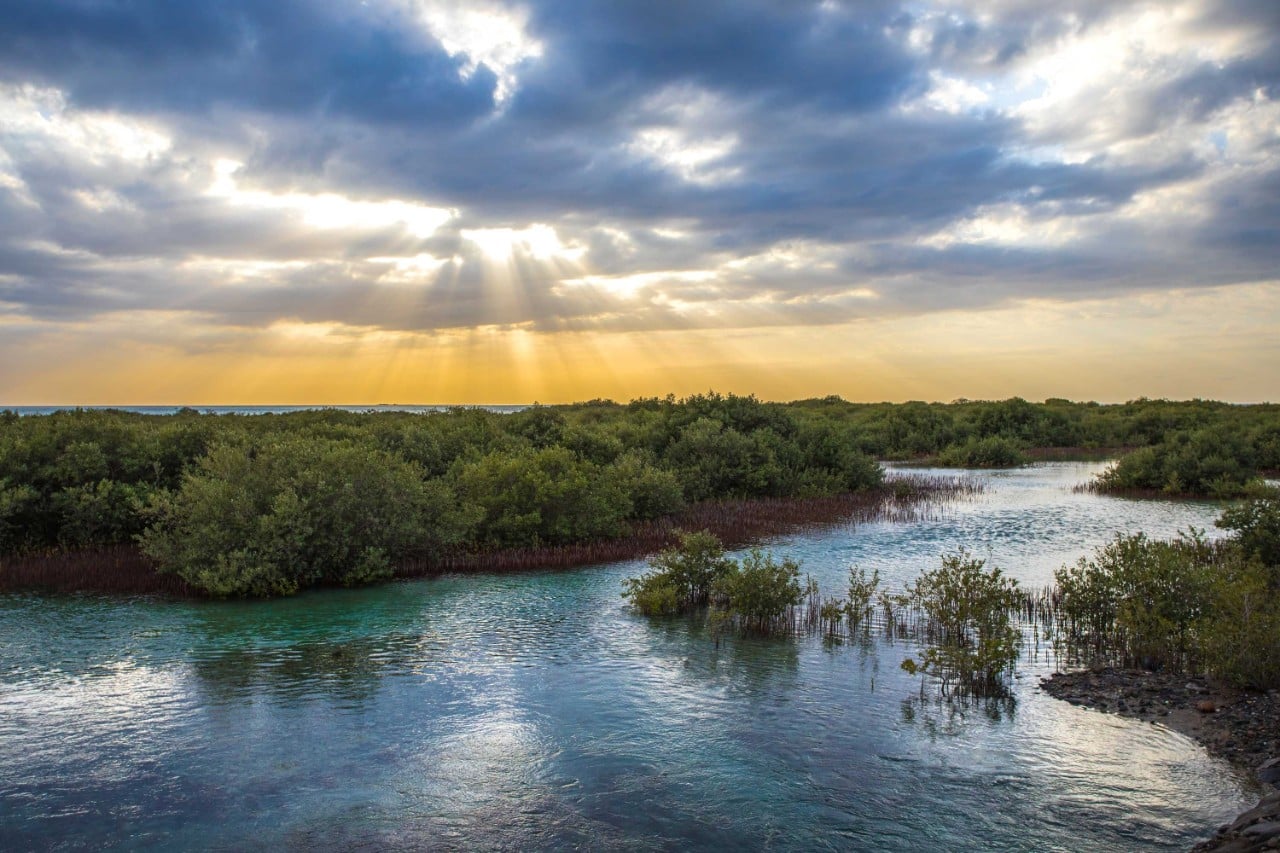
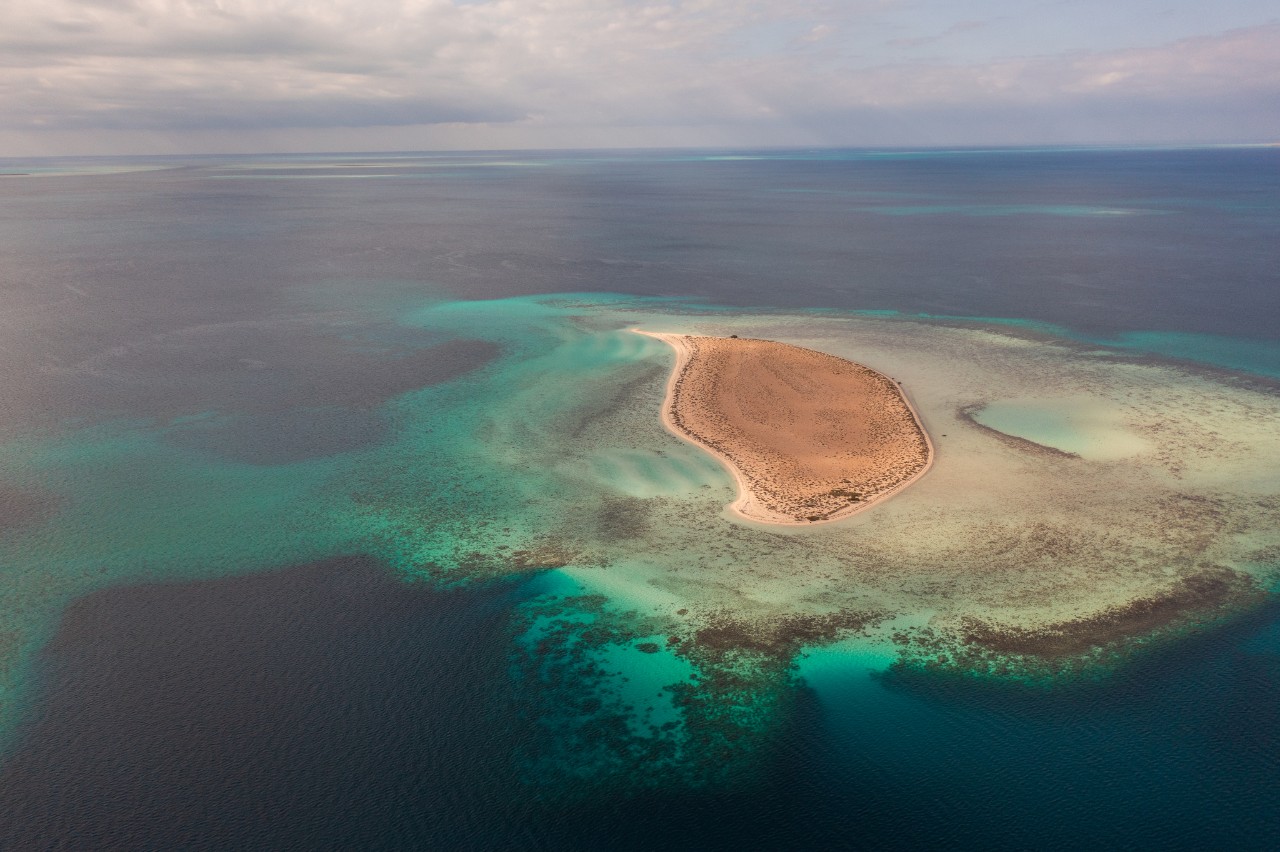
Amal’s story reflects a real-life rescue from 2021. A hawksbill sea turtle was found with floating syndrome. RSG’s environmental team brought the turtle back to shore for rehabilitation. Once rehabilitated, she was released back into the wild at Al Waqadi, an island within the Red Sea’s Al Wahj Lagoon, an important nesting ground for the critically endangered species. The team named the turtle ‘Amal’ meaning hope in Arabic, and its story of recovery, protection, and return to the wild has been woven into the mascot’s identity and merchandise design, positioning her as a symbol of the connection between people and planet.
Since then, RSG has embedded this stewardship into its development & operational model, evolving from individual rescue effort to a comprehensive, science-led conservation and regeneration program across its destinations.
Nesting has been recorded on 34 islands, with more than 500 nests annually on average. To protect these habitats, RSG issues strict nesting guidelines to guests and hotel operators, and deploys targeted conservation measures. On Breem Island, specially designed barriers guide nesting females away from dangerous cliff edges, making it only the second site globally to adopt this approach, with zero injuries recorded since installation.
Later this year, RSG will open Corallium, a marine life institute at AMAALA, further advancing sea turtle conservation through scientific research and innovation, partnership, ecosystem restoration, nesting monitoring, temporary veterinary care, and public education.
In line with this purpose, 100 percent of proceeds from the Amal merchandise collection will be donated to partners supporting marine conservation initiatives that promote best practices in sea turtle conservation and ocean health.