



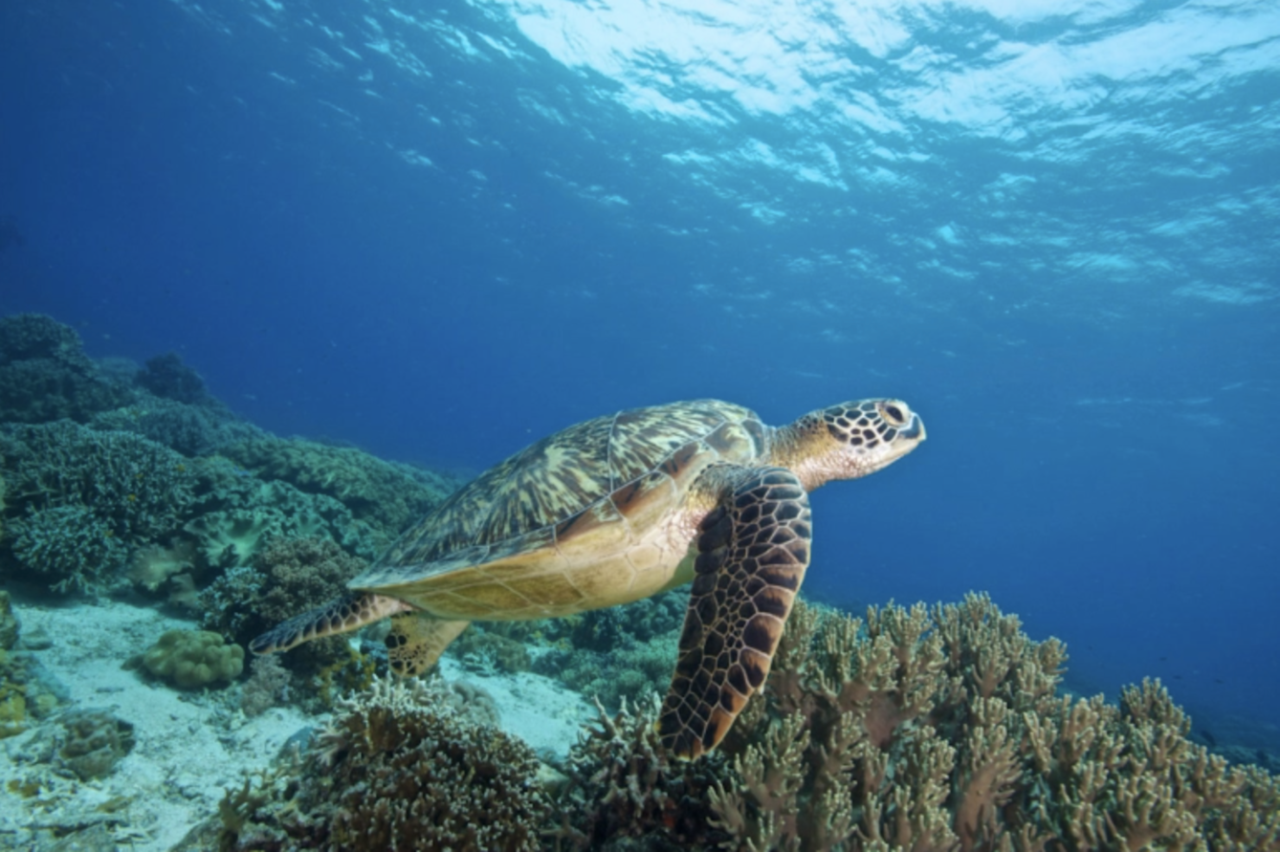
































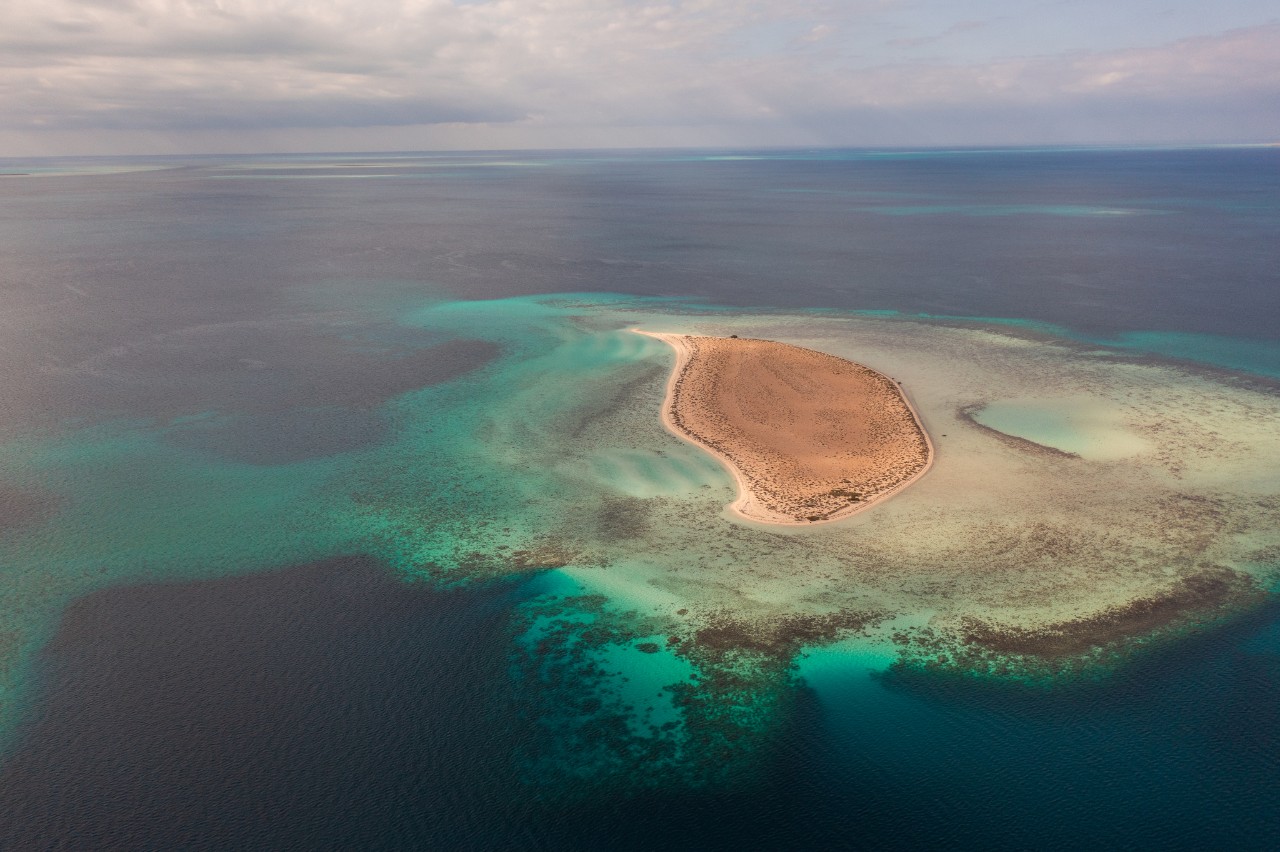




Think of the Red Sea and envision its rich history, geological wonders, and vibrant biodiversity.
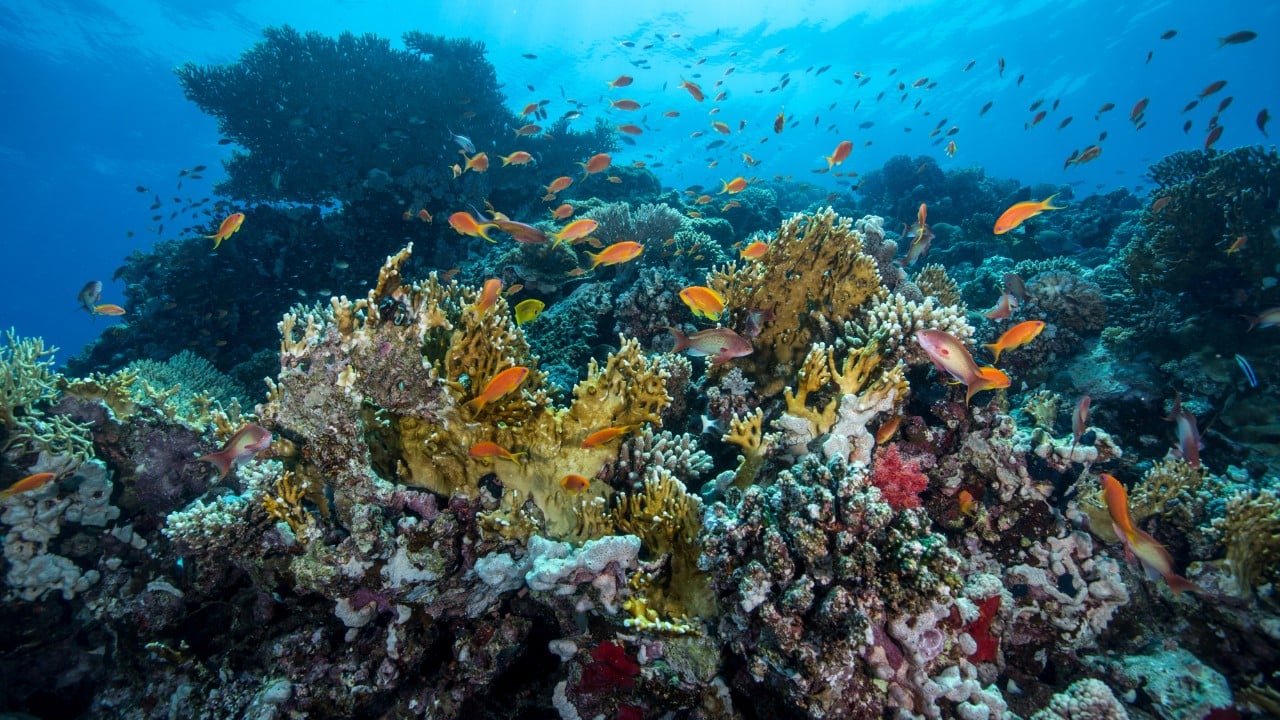
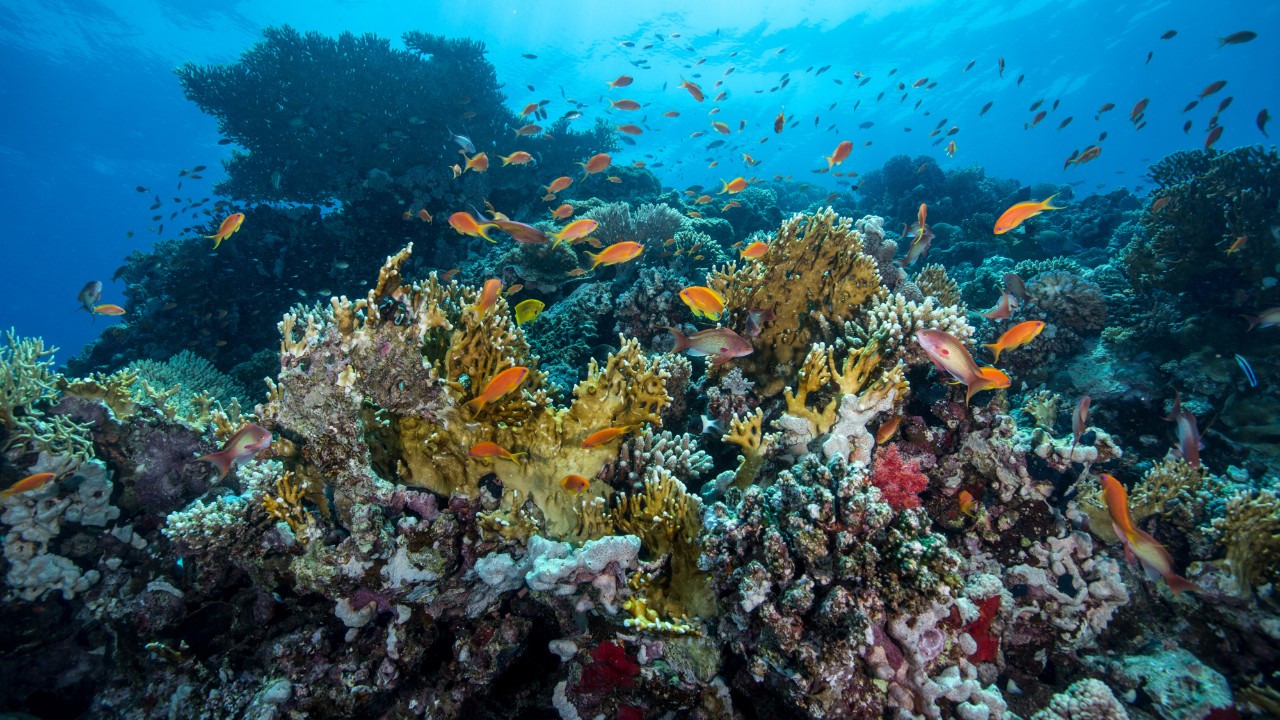
As stunning marine species engage with coral reefs, we often forget the unseen world that drives the dynamics of life beneath the water: the realm of microbials.
Microbial ecology is key to sustaining the Red Sea’s health and vitality. It is a complex web of interactions where microorganisms are essential for nutrient cycling, organic matter degradation, and energy transfer. They form the foundation of the food web, significantly influencing resource availability for organisms like fish and corals that are higher up the food chain. This intricate system includes planktons, bacteria, fungi, and various microbiotas, fostering long-term biological interaction, or symbiosis, with their hosts.
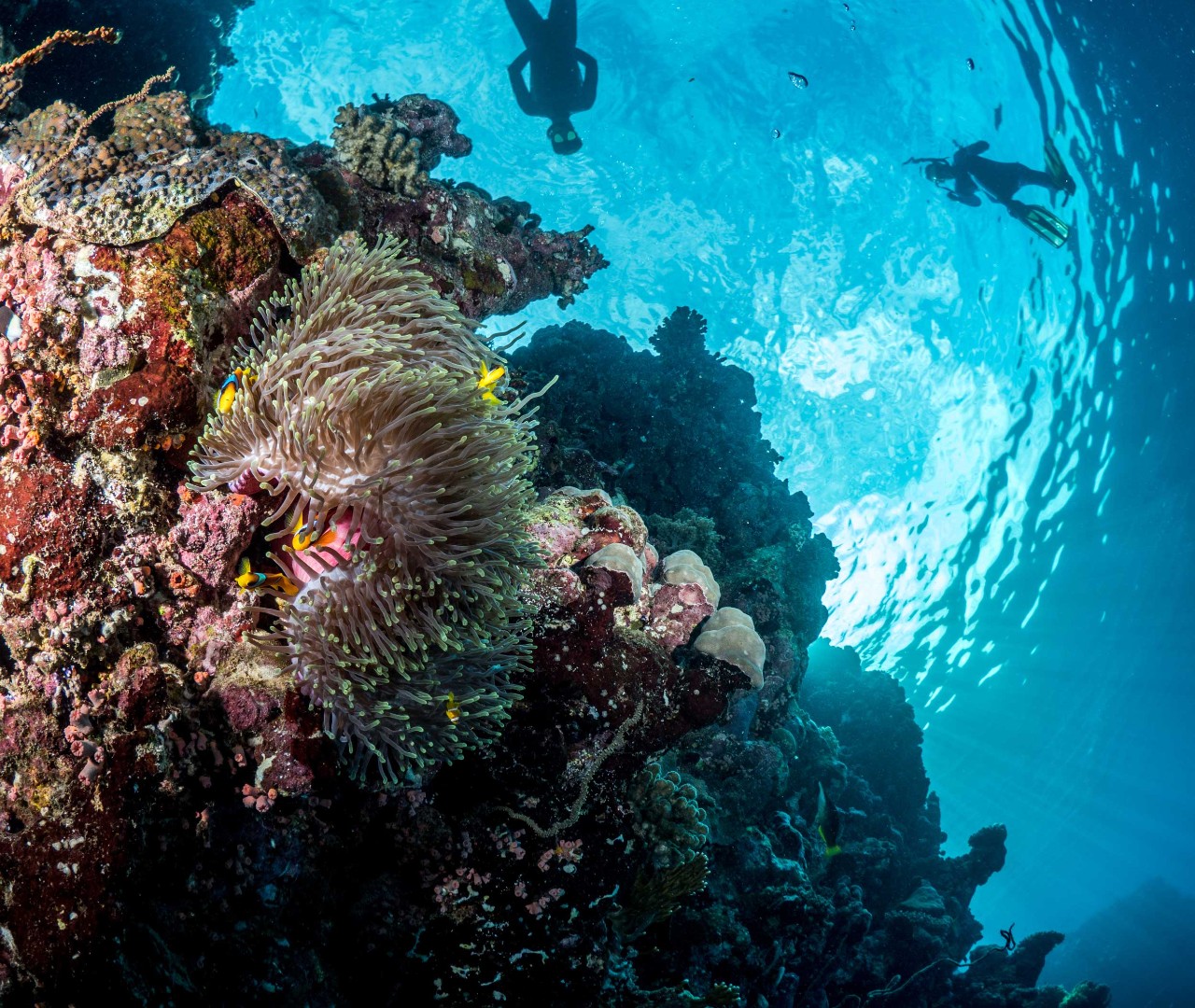
Coral formations, for example, host numerous microorganisms including Zooxanthellae, which contribute to the corals’ vivid pigmentation. These microalgae thrive within coral tissues, utilizing metabolic byproducts such as nutrients. In return, the microalgae produce oxygen, remove waste, and supply organic products from photosynthesis, supporting coral growth and the dynamic Red Sea reefs.
Another excellent example is the flashlight fish, which dwell in coral caves. Known for the bioluminescent bacteria in an organ beneath their eyes, these fish use a natural blue glow for communication and schooling at night.
From surface waters to murky depths, the Red Sea's extreme conditions, like high salinity and elevated temperatures, foster an adapted metabolic and biochemical diversity among its microbial inhabitants. These microorganisms significantly influence the health of various marine species, enabling them to flourish in this challenging habitat.
At Red Sea Global (RSG), we are deeply committed to the conservation and regeneration of coral reefs, a pledge highlighted at COP28 last year. RSG is implementing advanced technologies and methodologies to support coral health across its destinations. This helps to not only protect our corals but to enhance them for generations to come.
Understanding the intricate relationships beneath the waves provides insights into the diversity and resilience of life, emphasizing the importance of protecting our fragile ecosystems. Next time you snorkel or dive in the Red Sea, consider the vital interactions of microorganisms that create enchanting underwater symphonies.
You can read more about RSG’s coral-related initiatives here.