




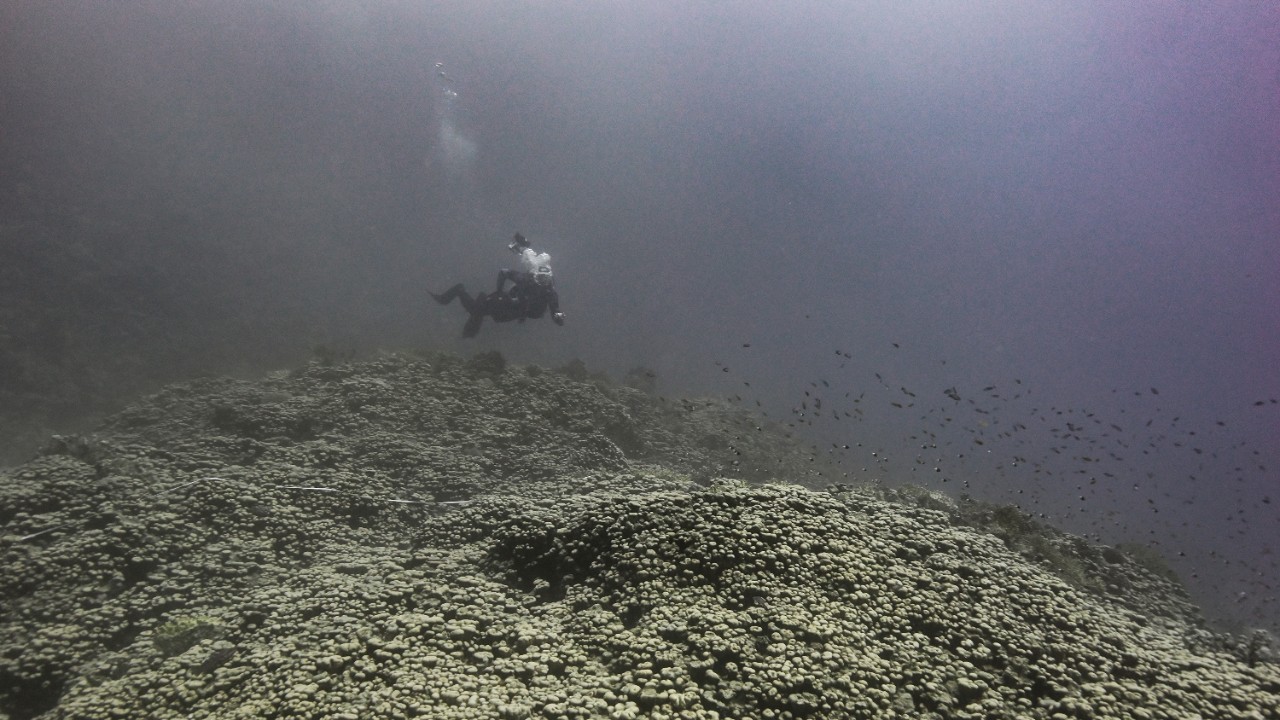
- Scientists stunned by monumental find of colossal coral at new tourism destination AMAALA, which could rewrite marine history and offer new and unique diving experiences
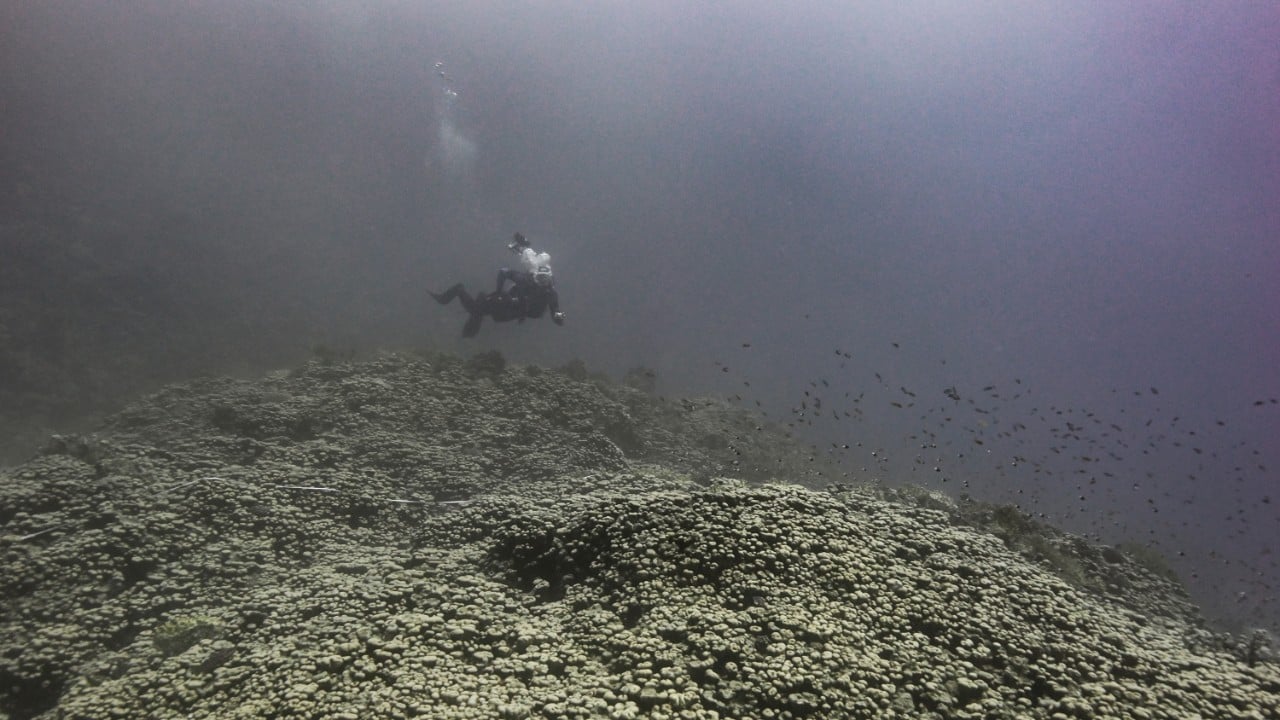
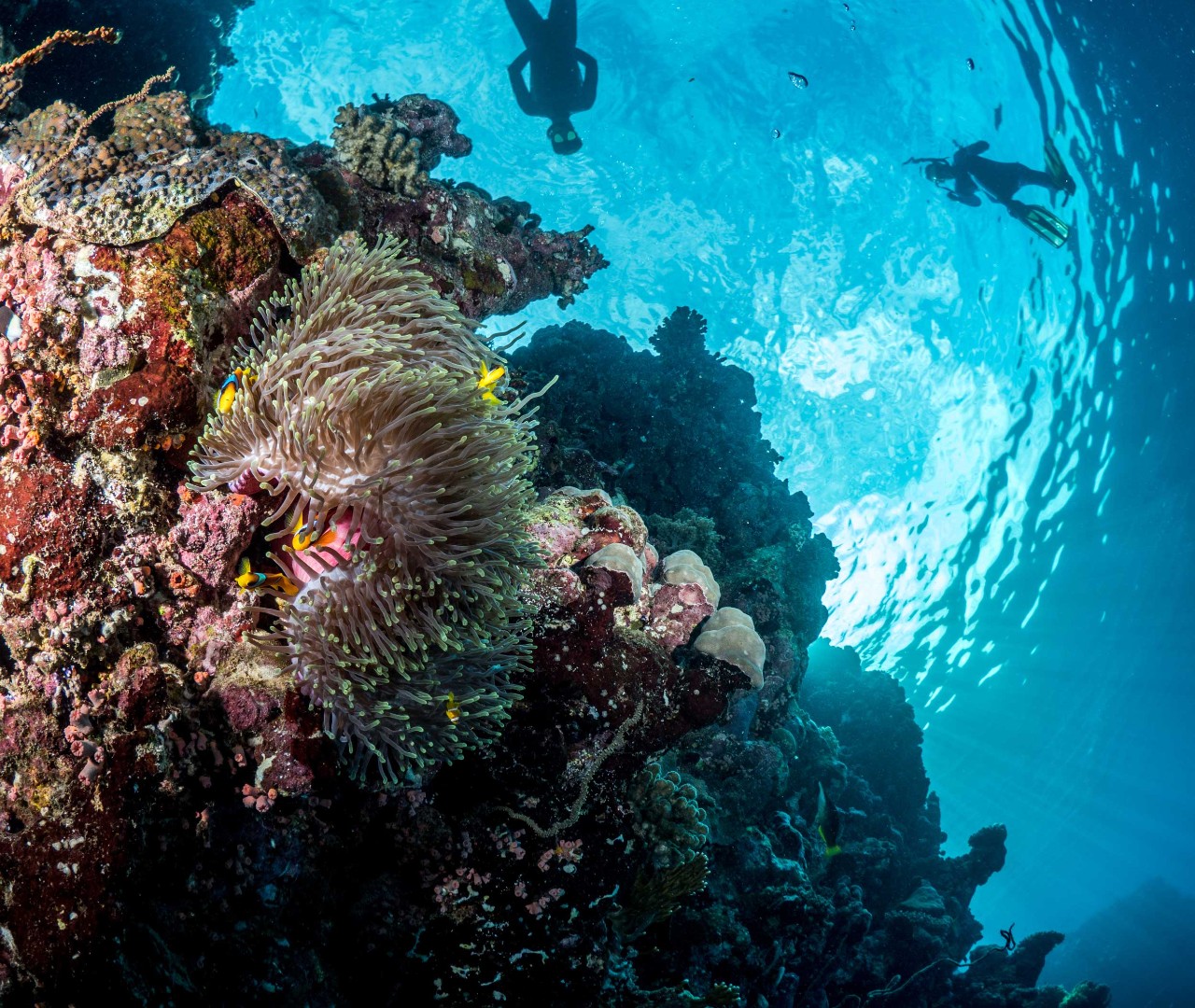
Riyadh, [27] April 2025 - Red Sea Global (RSG), the developer behind regenerative tourism destinations The Red Sea and AMAALA, today announce the significant discovery of a giant coral colony in the Red Sea (the ‘Pavona’ species) within the waters of AMAALA on the northwestern coast of Saudi Arabia.
Rivalling the size of the current world record holder (a 32 x 34-meter colony found in the Pacific), this remarkable new find in the Red Sea stretched to the length of six to eight London buses end to end (26-36 x 21 meters). It is the largest coral colony of this type documented in the Red Sea to date.
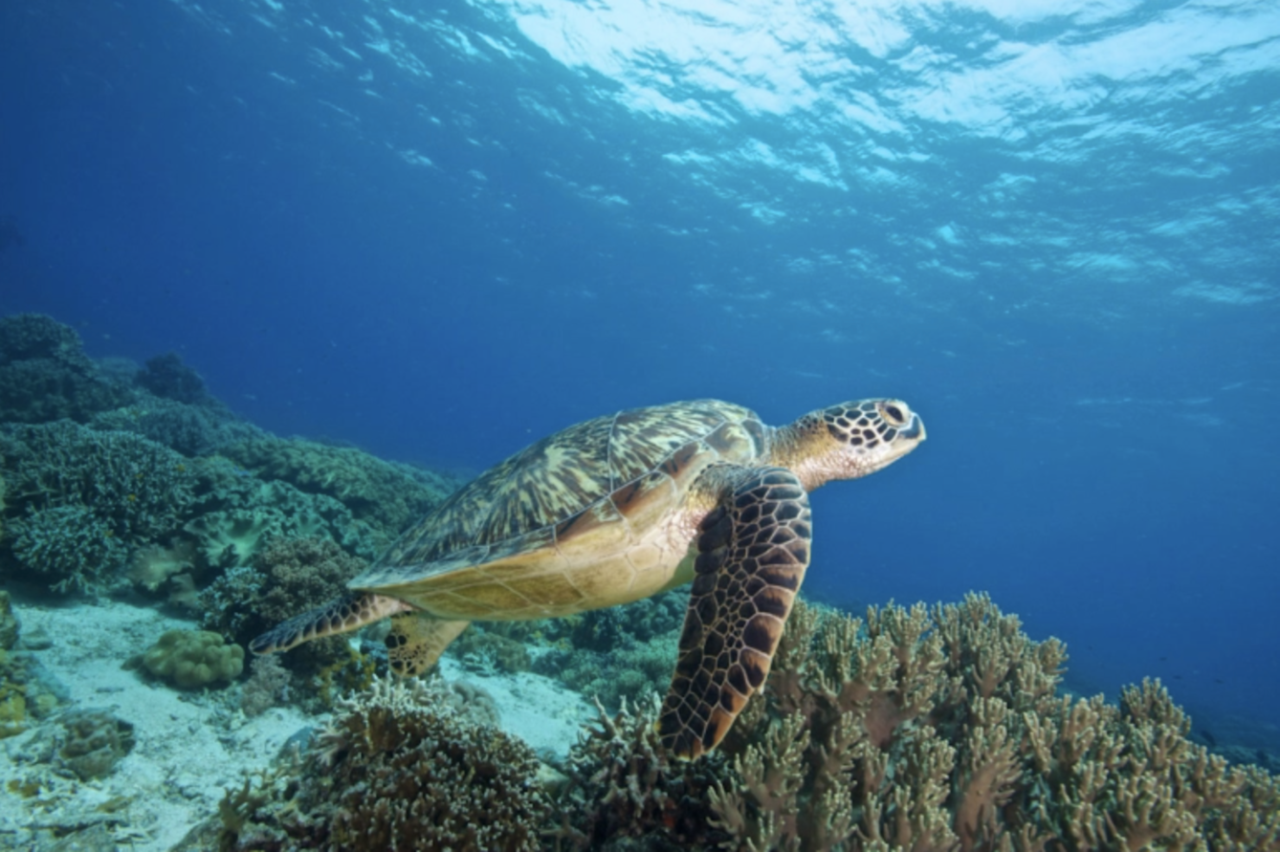
This natural wonder could become a key highlight for tourists at AMAALA on diving excursions, offering a unique and unforgettable experience. Access would be permitted in line with RSG’s responsible ethos, minimizing any potential impact, while allowing tourists to witness the breathtaking beauty of the Red Sea’s underwater world.
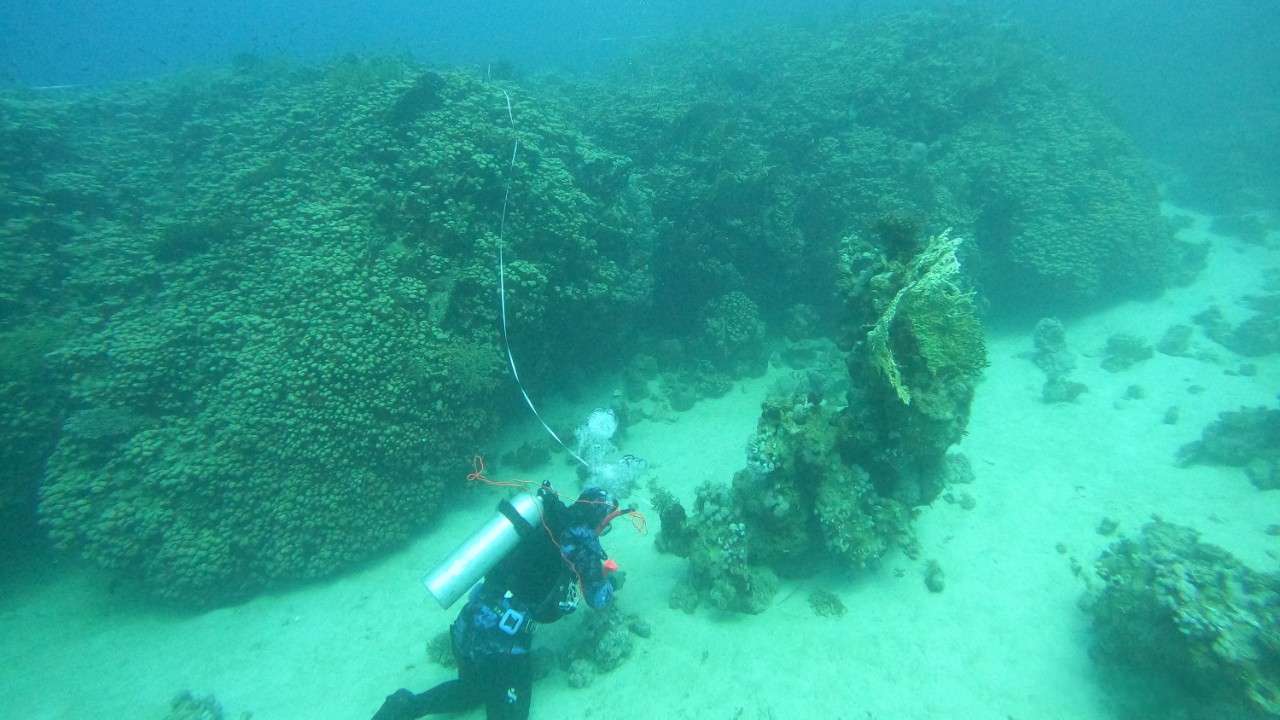
“At RSG, we believe it is critically important to protect our coral reefs. In particular, these giants represent a time capsule of information, providing the ideal tools for tracing past oceanographic transformations that can help us model responses to future environmental changes. Understanding how this coral has survived for so long will be crucial for protecting other reefs in the Red Sea and potentially all over the world, for generations to come.”
Coral from the time of Genghis Khan
Determining the age of these giant corals with minimal impact is challenging due to the invasive nature of accurate techniques and an absence of published growth rates for this particular species of coral in the Red Sea. However, estimations have been made based on the coral’s size, growth rates of this species found in the Pacific, and results from photogrammetry efforts (RSG has stitched 3,000 images together to create a 3D model that is precisely scaled).
Using these tools, the coral cluster is estimated to be between 400 and 800 years old, which may be even older than the world’s largest coral recently discovered in the Solomons at 300-500 years old.
If the upper estimate holds true, this coral began growing around the time when Genghis Khan invaded China, the earliest Islamic states in Southeast Asia were formed and the Treaty of Paris was signed ending The First Hundred Years' War. Upcoming studies by researchers from RSG and King Abdullah University of Science and Technology (KAUST) will help pinpoint the coral’s age more accurately and provide insights into the environmental conditions in which it has thrived.
Like stumbling across a white rhino in the wild
Coral in the Red Sea is known for being particularly resilient, having undergone a long process of natural section, adapting genetically to the naturally warmer waters and higher salinity levels. This colony will be subject to ongoing monitoring and research to understand what makes these giants so resilient to multiple stressors over long time periods and help inform conservation efforts for other reefs in the Red Sea and around the world.
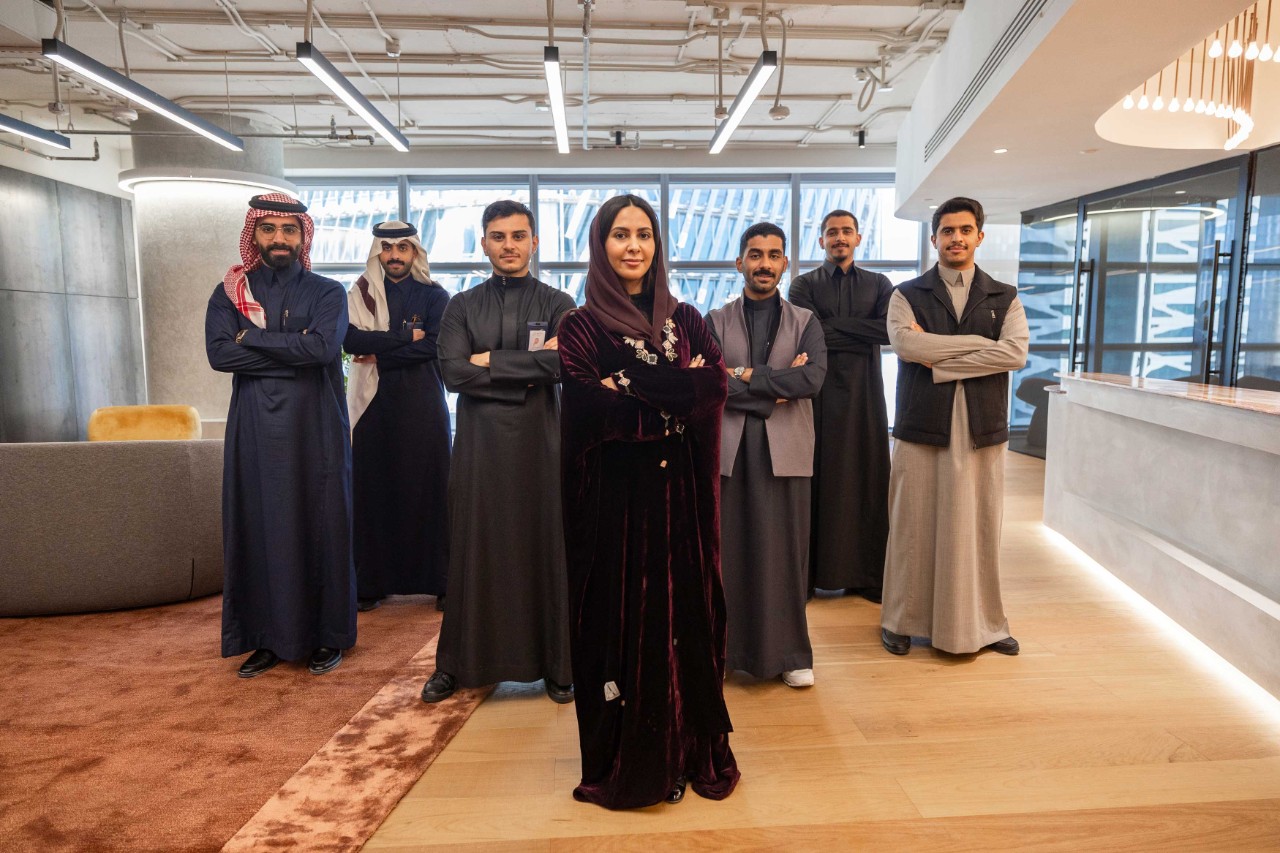
The two RSG scientists who discovered the giant coral colony, Rhonda Suka and Sylvia Jagerroos, are now leading its mapping and documentation.
Ms. Suka said: “Finding such an invaluable specimen was a truly mind-boggling experience. This colony’s resilience gives us hope for the continued success of corals in the Red Sea, particularly in the face of increasing environmental and anthropogenic stress.”
Ms. Jagerroos said: “A coral this massive is incredibly rare — like stumbling upon a northern white rhino in the wild. You know they exist somewhere, but actually finding one is almost unheard of.”
Mapping these giants is an important part of conserving them, something the “Map the Giants” project is doing on a global scale by identifying and documenting these vital giant coral structures, which it classes as anything larger than five meters. This is the second colony RSG has submitted to the project in the last few months.
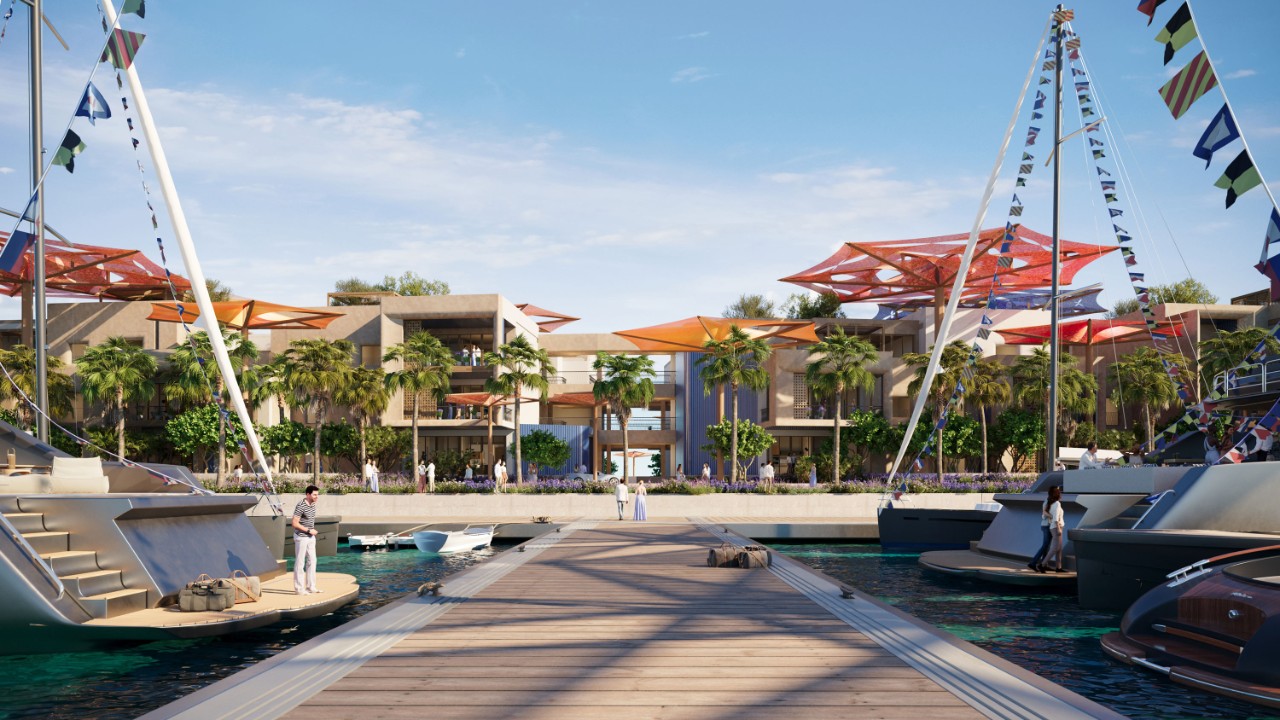
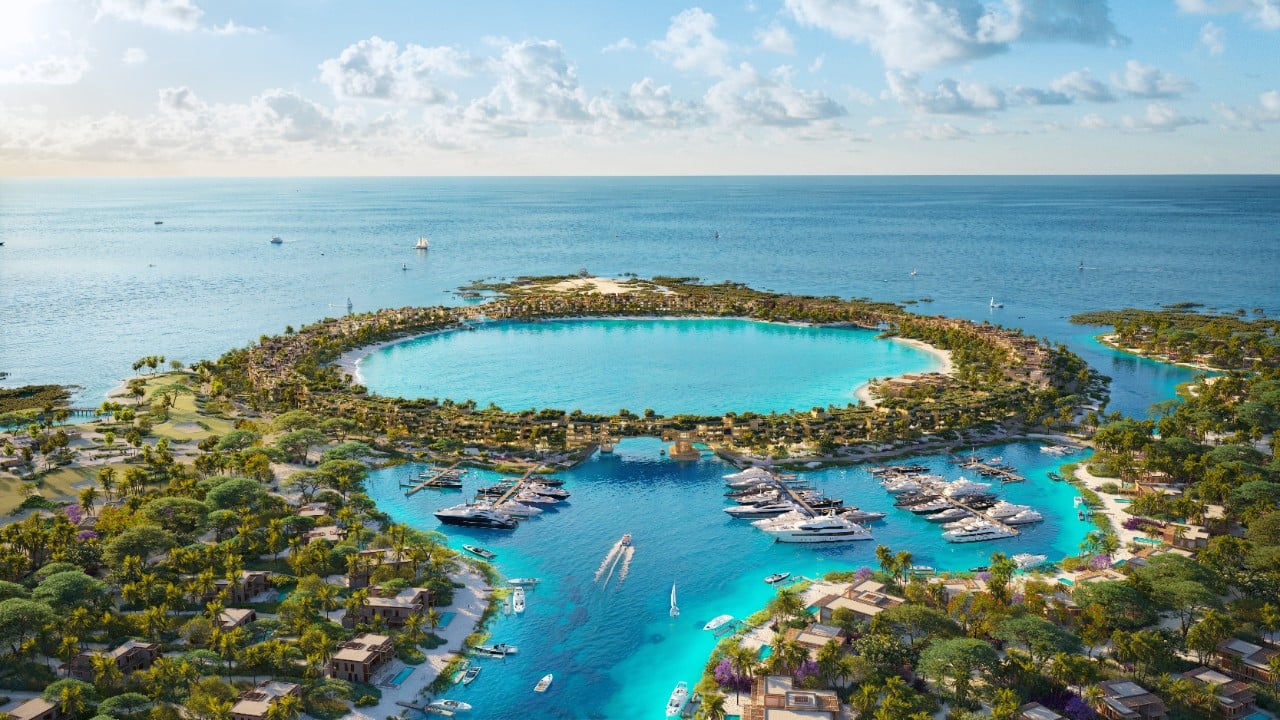
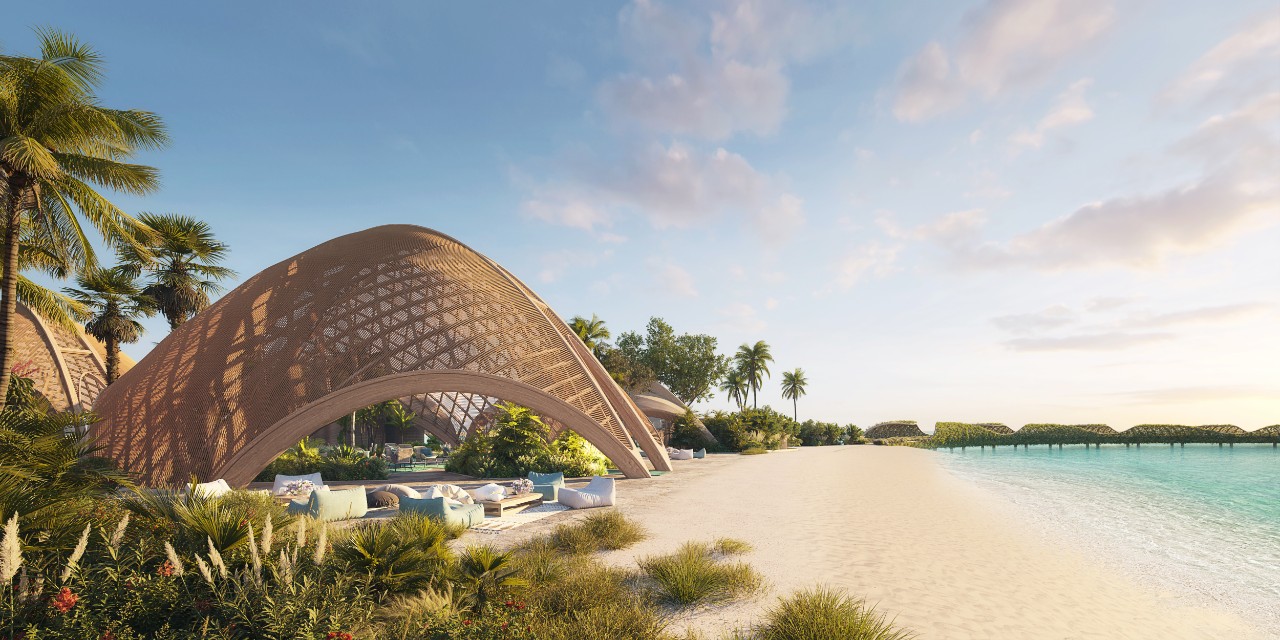
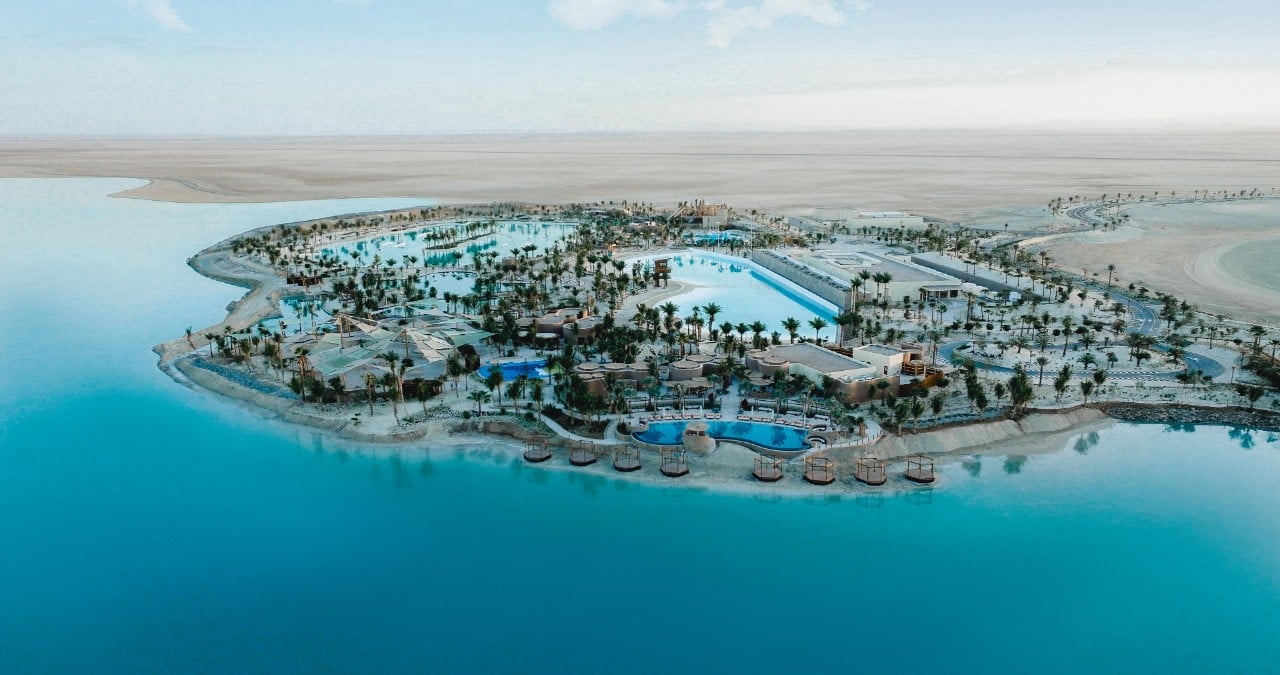
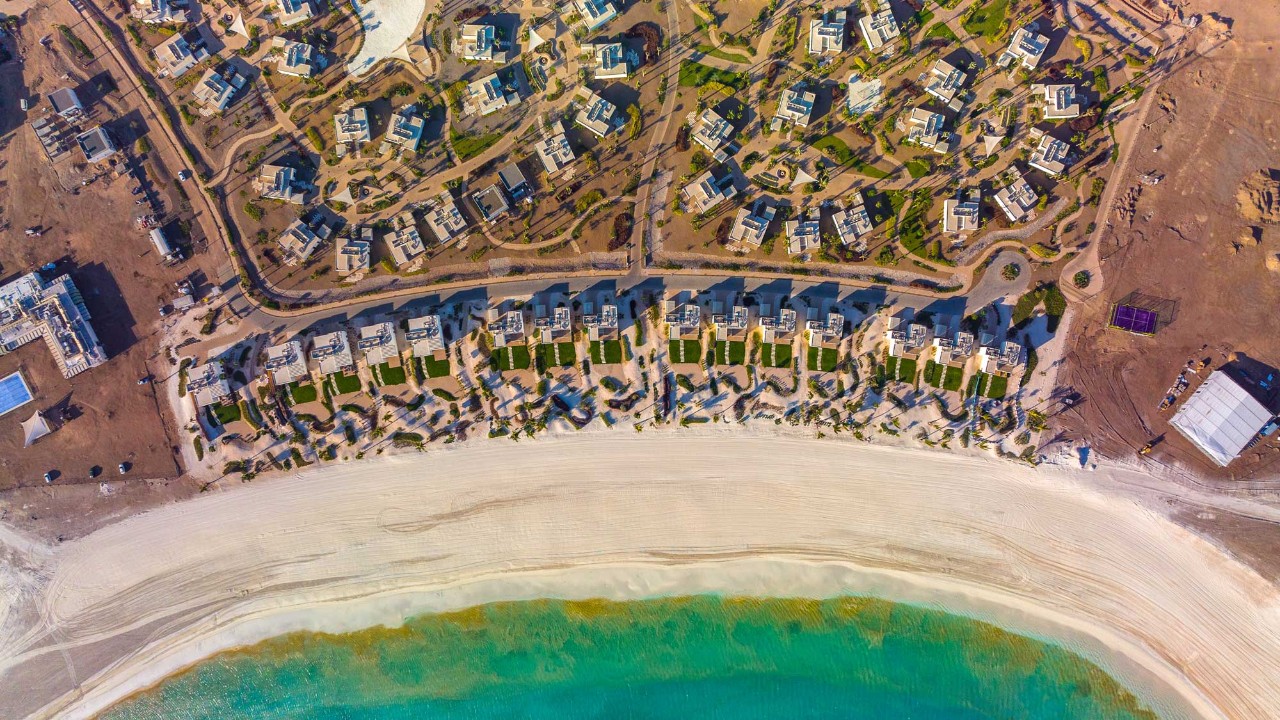
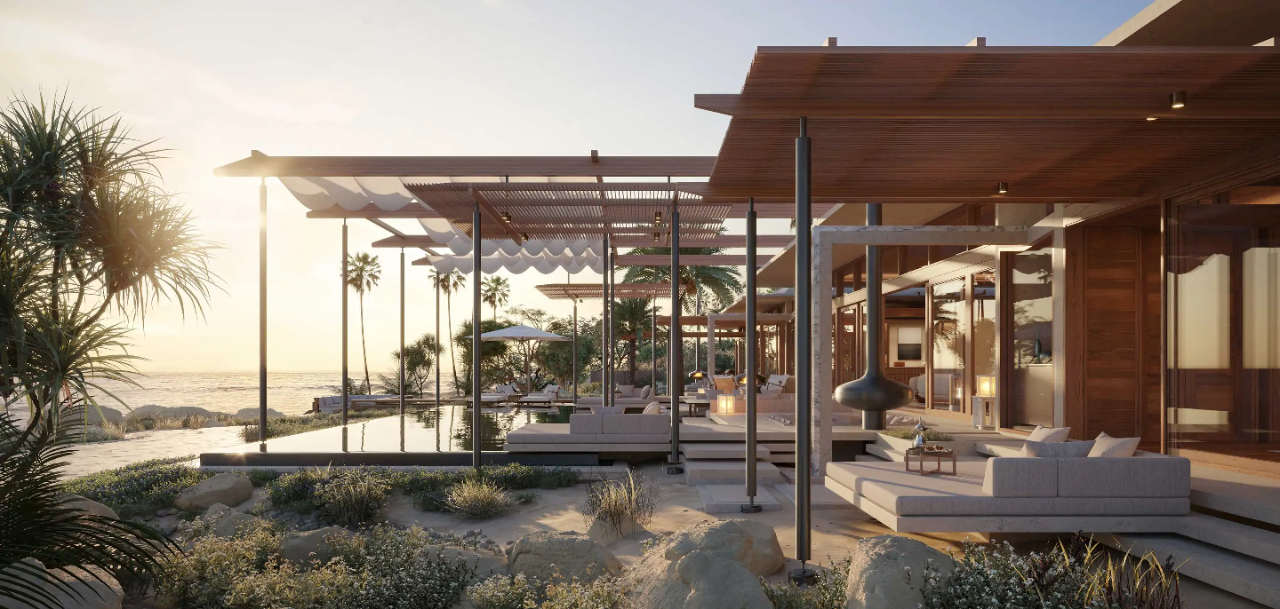
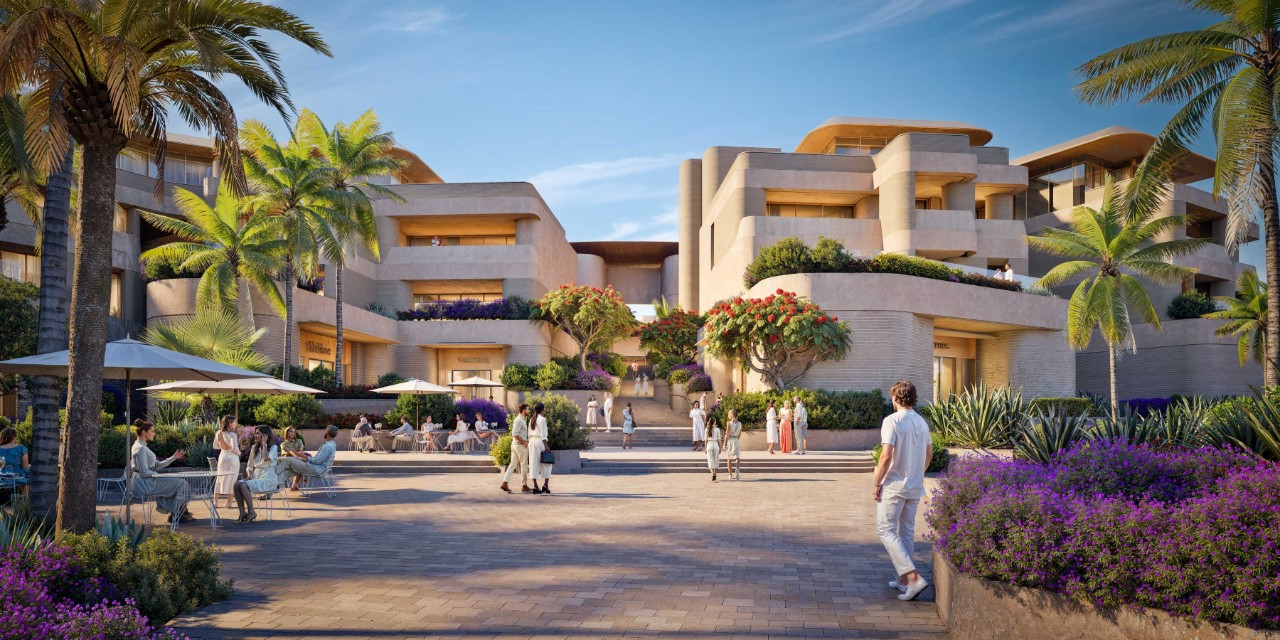
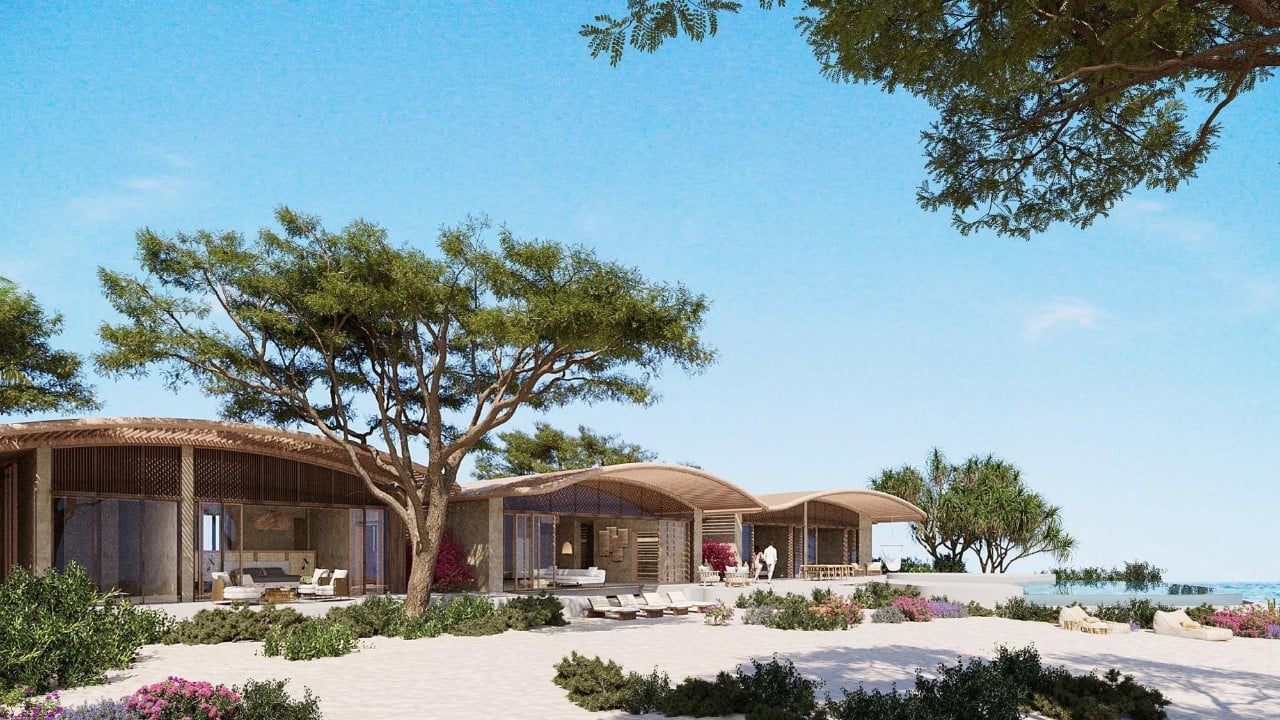
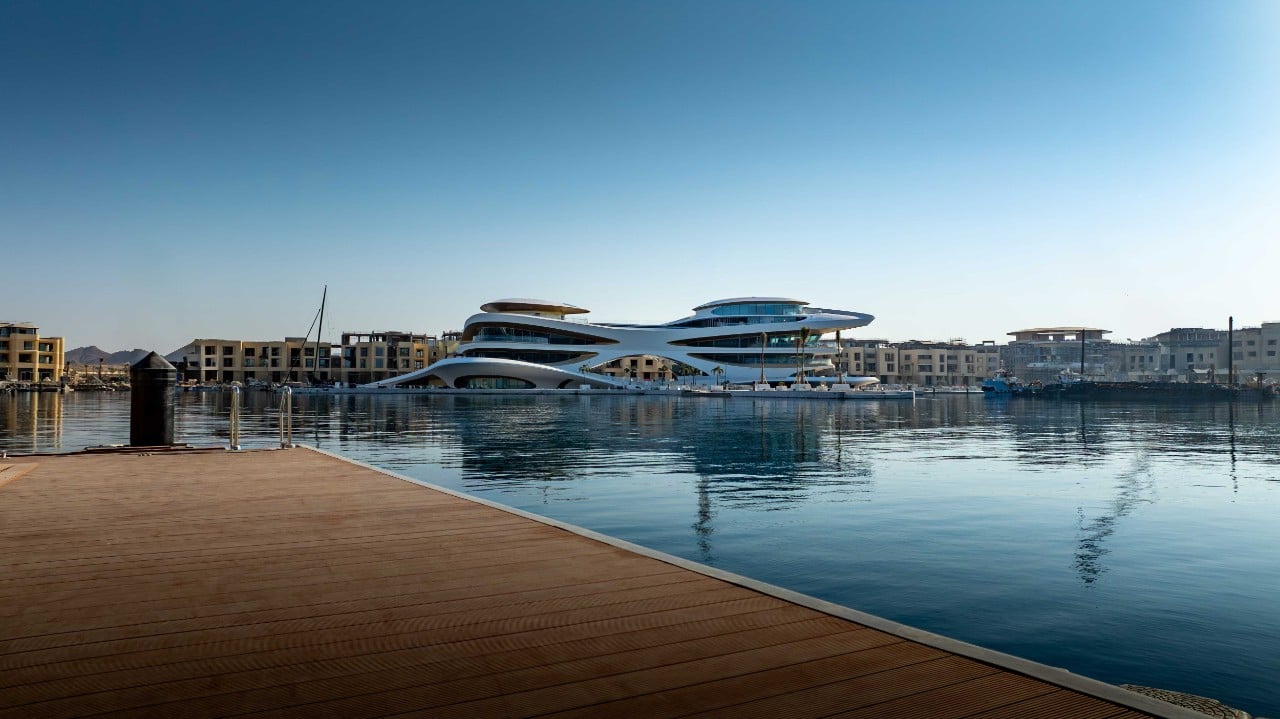
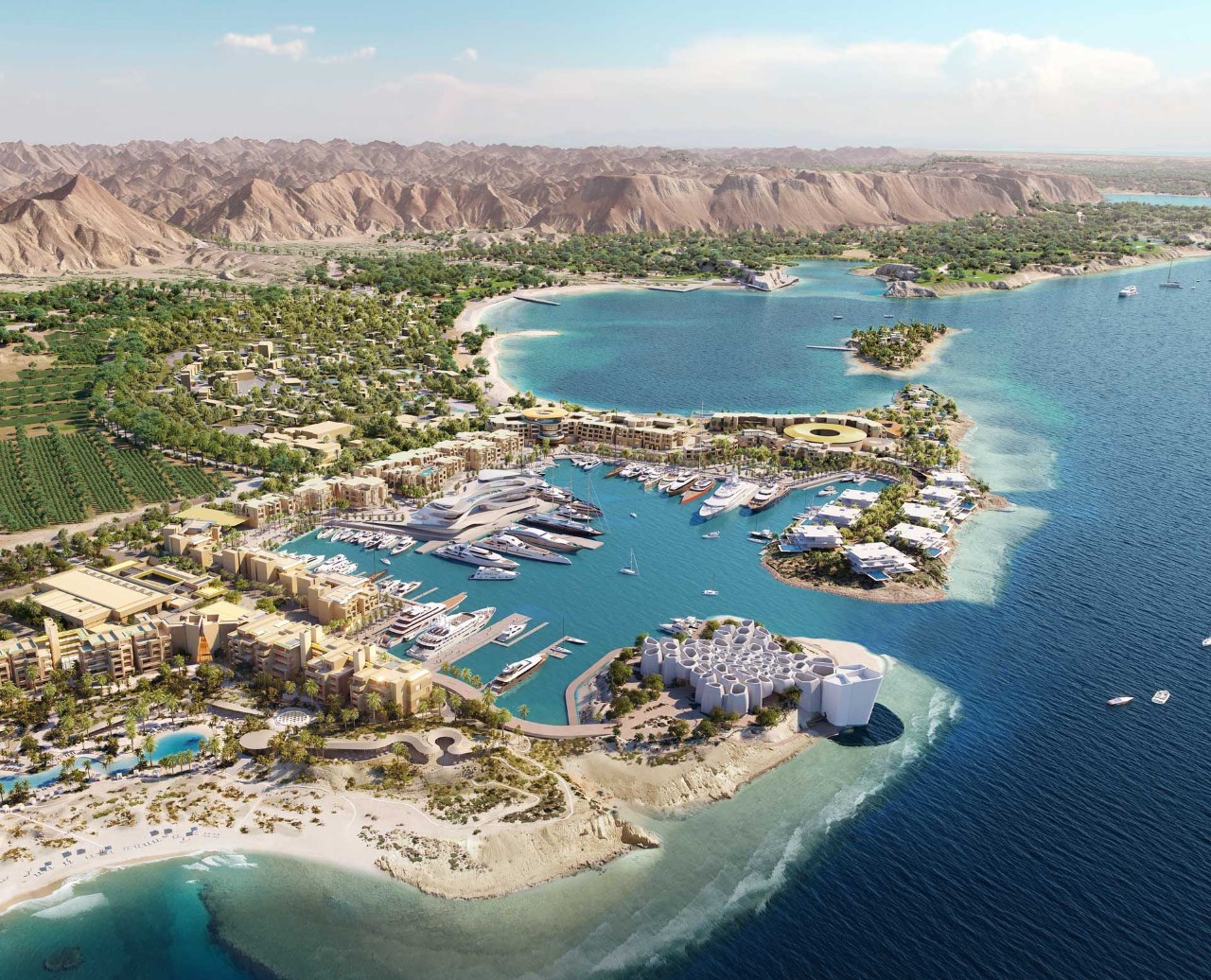
AMAALA is set to welcome its first guests later this year with the ambitious goal of becoming the world’s most comprehensive health and wellness destination. Launching with more than 1,400 hotel rooms across eight luxury resorts, it will welcome some of the most renowned wellness operators globally, offering a wide array of programs tailored to diverse lifestyles and well-being needs.
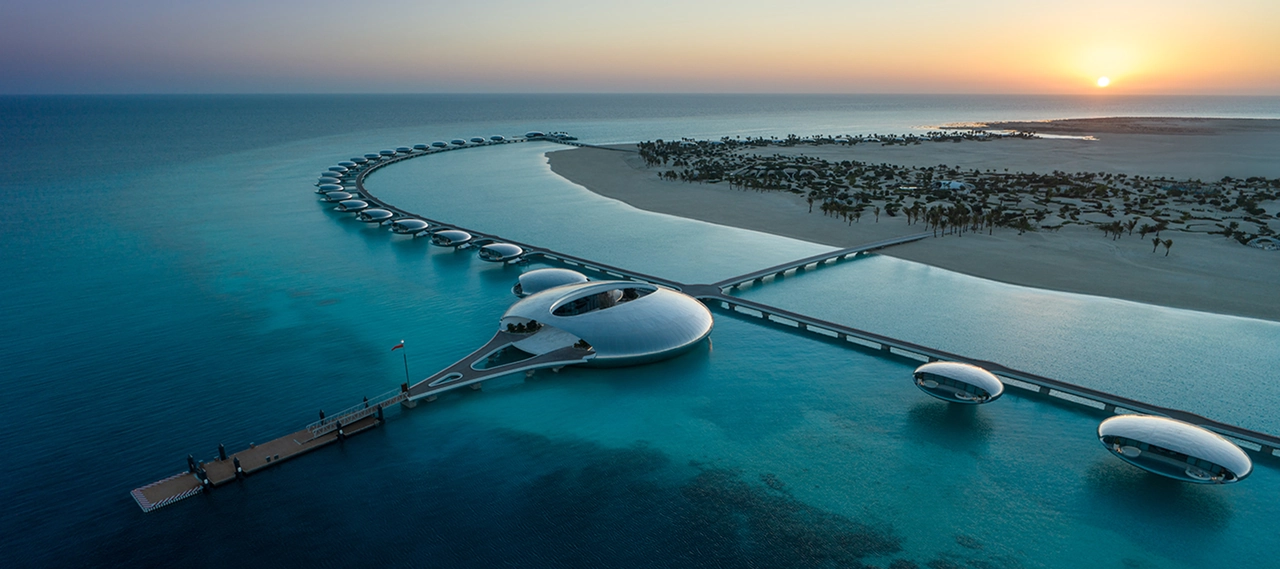
This follows RSG’s other destination, The Red Sea, which began welcoming guests in 2023 and now has five hotels open.